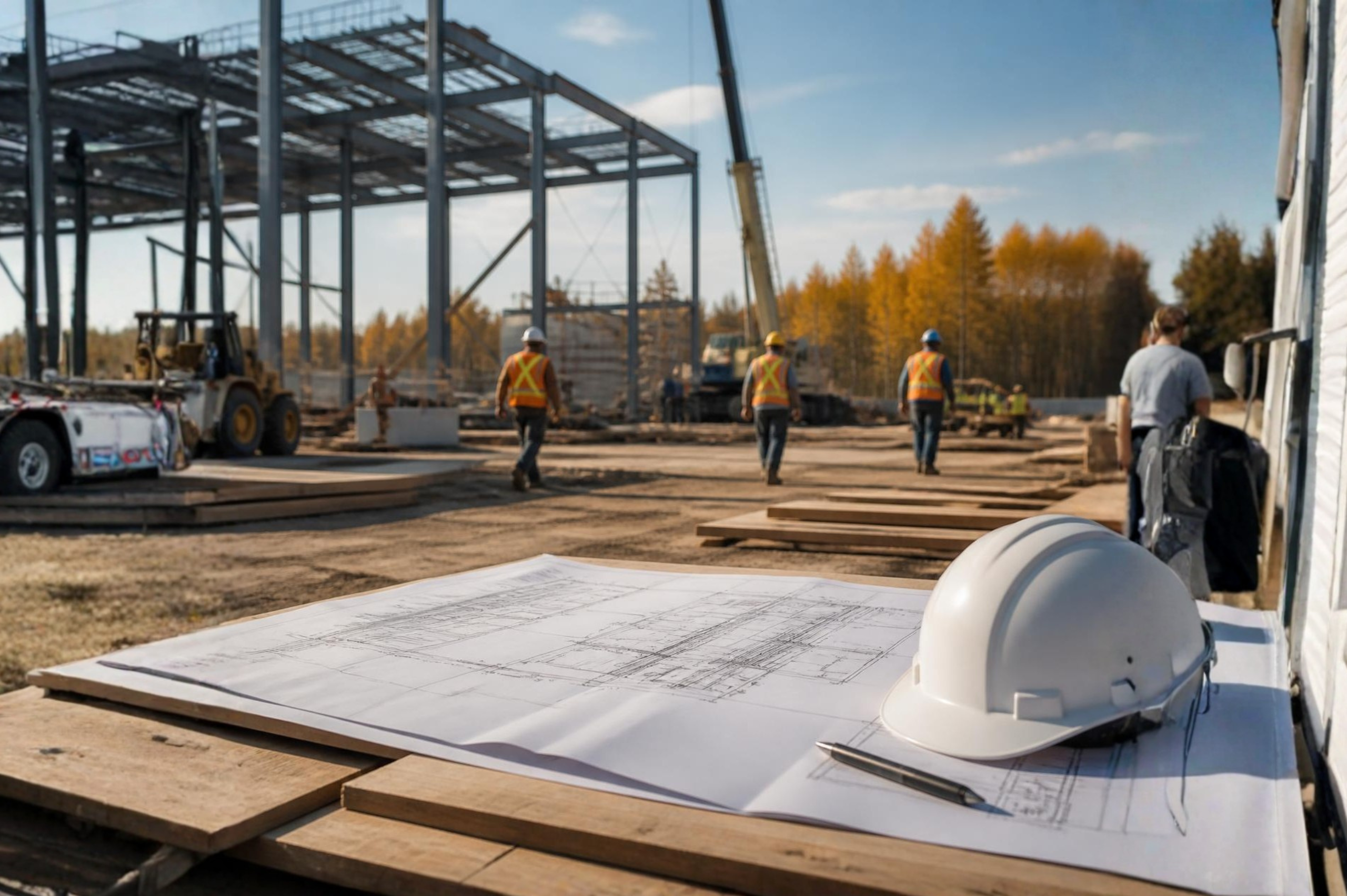
The hardest skilled trades jobs to fill in Canada right now include electricians, plumbers, welders, and industrial mechanics due to high demand, strict certification requirements, and a shrinking workforce. Employers across construction, manufacturing, and mechanical industries are struggling to find qualified, job-ready professionals for these roles.
Canada’s skilled trades shortage is being driven by an aging workforce, increased infrastructure and housing demand, and fewer young workers entering the trades. As a result, some positions remain unfilled for months, causing project delays and increased labour costs.
This guide explains which skilled trades jobs are hardest to fill in Canada in 2026, why they are difficult to hire for, and how employers can overcome these hiring challenges. It also covers proven recruitment strategies, industry insights, and practical solutions to help businesses hire skilled trades workers faster.
For a complete overview of hiring strategies, you can also read:
Complete Guide to Hiring Skilled Trades Workers in Canada (2026)
Why Some Skilled Trades Jobs Are Harder to Fill Than Others
Not all trades roles face the same hiring challenges. Some positions are consistently harder to fill due to a combination of technical, regulatory, and market-driven factors.
Key Reasons Behind Hiring Difficulties
1. Certification and Licensing Requirements
Many skilled trades require provincial certification or Red Seal credentials, which significantly reduces the available talent pool.
2. High Demand Across Multiple Industries
Trades like electricians and welders are needed across construction, manufacturing, and infrastructure projects, increasing competition between employers.
3. Aging Workforce
A large portion of Canada’s trades workforce is nearing retirement, creating a gap that younger workers are not filling quickly enough.
4. Physically Demanding Work
Some trades involve long hours, physical labour, or remote job sites, making them less attractive to new entrants.
5. Geographic Constraints
Certain roles are harder to fill in remote areas or regions with rapid industrial growth.
The Hardest Skilled Trades Jobs to Fill in Canada (2026)
Below is a breakdown of the most difficult trades roles to hire for today.
| Skilled Trade | Industry Demand | Hiring Difficulty | Key Challenge |
|---|---|---|---|
| Electricians | Very High | Severe | Certification + demand across sectors |
| Plumbers | Very High | Severe | Housing demand + limited supply |
| Welders | High | High | Specialized skills required |
| Industrial Mechanics (Millwrights) | Very High | Severe | Experience gap |
| HVAC Technicians | High | High | Technical complexity |
| Heavy Equipment Operators | High | Moderate–High | Location constraints |
1. Electricians
Electricians are among the most in-demand and hardest-to-fill roles in Canada.
Why it’s hard to hire electricians:
- Strict certification requirements
- High demand across residential, commercial, and industrial projects
- Rapid growth in infrastructure and renewable energy
Employers often struggle to find electricians who are both certified and experienced in modern electrical systems.
Employers struggling to hire certified electricians can benefit from working with a specialized recruitment agency for electricians that provides access to pre-screened, job-ready professionals.
2. Plumbers
The demand for plumbers continues to rise due to ongoing housing development and infrastructure upgrades.
Why plumbers are hard to hire:
- Limited number of licensed professionals
- High demand in residential construction
- Strong competition between employers
To reduce hiring delays and find qualified candidates faster, many companies partner with a trusted recruitment agency for plumbers that understands licensing and on-site requirements.
3. Welders
Welders are essential in manufacturing, fabrication, and industrial sectors.
Hiring challenges:
- Need for specialized welding techniques
- Safety and certification requirements
- Industry-specific experience
Manufacturing companies often face delays when trying to fill these roles, especially for high-precision work.
Manufacturers looking to hire skilled welders, machinists, and technicians can streamline hiring by working with a specialized recruitment agency for manufacturing roles.
4. Industrial Mechanics (Millwrights)
Millwrights play a critical role in maintaining and repairing industrial machinery.
Why they are difficult to hire:
- High level of technical expertise required
- Experience gap in the workforce
- Demand across multiple industries
For technically demanding roles like millwrights and maintenance technicians, partnering with a recruitment agency for mechanics can help identify experienced and certified professionals faster.
5. HVAC Technicians
HVAC technicians are essential for both residential and commercial projects.
Hiring challenges:
- Technical complexity
- Certification requirements
- Seasonal demand spikes
6. Heavy Equipment Operators
These workers are critical for construction and infrastructure projects.
Why hiring is difficult:
- Remote job locations
- Experience requirements
- Safety training and certifications
Construction companies dealing with ongoing labour shortages often rely on a recruitment agency for construction workers to quickly build reliable and skilled project teams.
Regional Demand: Ontario and British Columbia
Hiring challenges are even more pronounced in provinces like Ontario and British Columbia, where construction and infrastructure projects are booming.
For a detailed breakdown, read:
Top Skilled Trades in Demand Across Ontario and BC in 2026
This will help you understand where demand is highest and which roles are most competitive.
The Business Impact of Unfilled Trades Roles
Unfilled positions in skilled trades don’t just slow down hiring — they directly impact business performance.
Key Impacts
- Project delays
- Increased labour costs
- Overtime and workforce burnout
- Missed business opportunities
- Reduced productivity
Companies that fail to address hiring challenges risk falling behind competitors.
How Employers Can Overcome Skilled Trades Hiring Challenges?
To fill hard-to-hire roles, companies need to adopt modern recruitment strategies.
1. Build a Strong Talent Pipeline
Waiting until a role is vacant is no longer effective.
Employers should:
- Engage with trade schools
- Develop apprenticeship programs
- Maintain candidate databases
2. Use Specialized Recruitment Services
Working with experts can significantly reduce time-to-hire.
Businesses can benefit from:
Permanent Placement
Ideal for companies looking to hire full-time skilled trades workers for long-term roles.
Fractional Recruitment
Perfect for growing companies that need flexible hiring support without building a full HR team.
TalentConnect
A modern solution that provides access to pre-screened skilled trades professionals, reducing hiring time and effort.
3. Improve Employer Branding
Today’s trades workers evaluate employers based on:
- Workplace culture
- Career growth opportunities
- Work-life balance
- Safety standards
4. Offer Competitive Compensation
Salary, benefits, and incentives play a major role in attracting skilled workers.
5. Expand Hiring Beyond Local Talent
Employers can explore hiring international skilled trades workers to fill urgent gaps.
The Role of Industry-Specific Recruitment
Different industries face different hiring challenges.
That’s why many companies partner with recruitment specialists who understand:
- Industry-specific skill requirements
- Certification standards
- Workforce trends
Businesses can explore the Industries We Serve page to understand how recruitment strategies vary across sectors like construction, manufacturing, and mechanical services.
Future Outlook: Will Skilled Trades Shortages Continue?
Yes — the shortage of skilled trades workers is expected to continue in the coming years.
Key trends include:
- Continued infrastructure development
- Growth in green energy projects
- Increased demand for housing
- Ongoing retirement of experienced workers
This means employers must take a long-term approach to hiring and workforce planning.
Final Thoughts
The hardest skilled trades jobs to fill in Canada are those that require a combination of technical expertise, certification, and experience — all of which are in short supply.
Employers who rely on traditional hiring methods will continue to face delays and talent shortages. However, those who adopt modern recruitment strategies, invest in workforce planning, and leverage specialized hiring solutions can overcome these challenges.
By understanding which roles are hardest to fill and why, businesses can take a more proactive approach to hiring and secure the skilled workforce they need to grow.
If your business is struggling to hire skilled trades workers, exploring the right recruitment strategy can make all the difference.
Whether you need full-time hires, flexible recruitment support, or access to pre-screened trades professionals, choosing the right hiring approach will help you stay ahead in Canada’s competitive labour market.
Frequently Asked Questions
- What are the hardest skilled trades jobs to fill in Canada right now?
The hardest skilled trades jobs to fill in Canada include electricians, plumbers, welders, industrial mechanics (millwrights), HVAC technicians, and heavy equipment operators. These roles are difficult to hire for due to high demand, certification requirements, and a limited supply of experienced workers. - Why are skilled trades jobs hard to fill in Canada?
Skilled trades jobs are hard to fill because of an aging workforce, increased demand from construction and infrastructure projects, and fewer new workers entering the trades. Many roles also require certifications and hands-on experience, which reduces the available talent pool. - Which skilled trades are most in demand in Canada?
The most in-demand skilled trades in Canada include electricians, plumbers, welders, HVAC technicians, and construction workers. Demand is especially high in provinces like Ontario and British Columbia due to ongoing development projects. - How can employers fill skilled trades jobs faster in Canada?
Employers can fill skilled trades jobs faster by working with specialized recruitment agencies, using pre-screened talent platforms, improving job offers, and building long-term talent pipelines through apprenticeships and training programs. - How long does it take to hire skilled trades workers in Canada?
Hiring timelines can range from a few weeks to several months depending on the role, location, and hiring method. Hard-to-fill positions often take longer due to limited availability of qualified candidates. - Is there a shortage of skilled trades workers in Canada?
Yes, Canada is currently facing a shortage of skilled trades workers due to workforce retirements, increased demand for construction and infrastructure, and a decline in new entrants to trades careers.