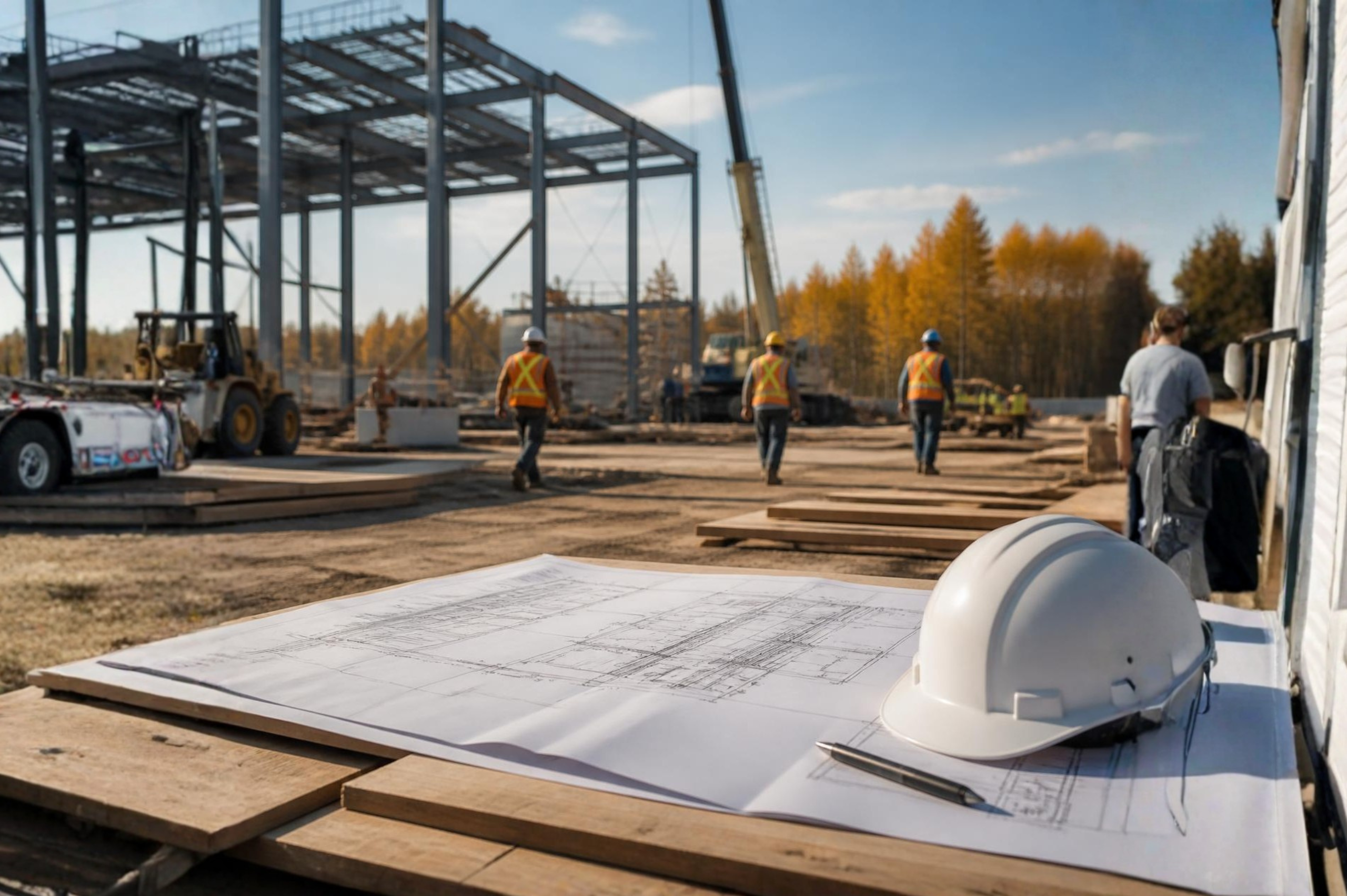
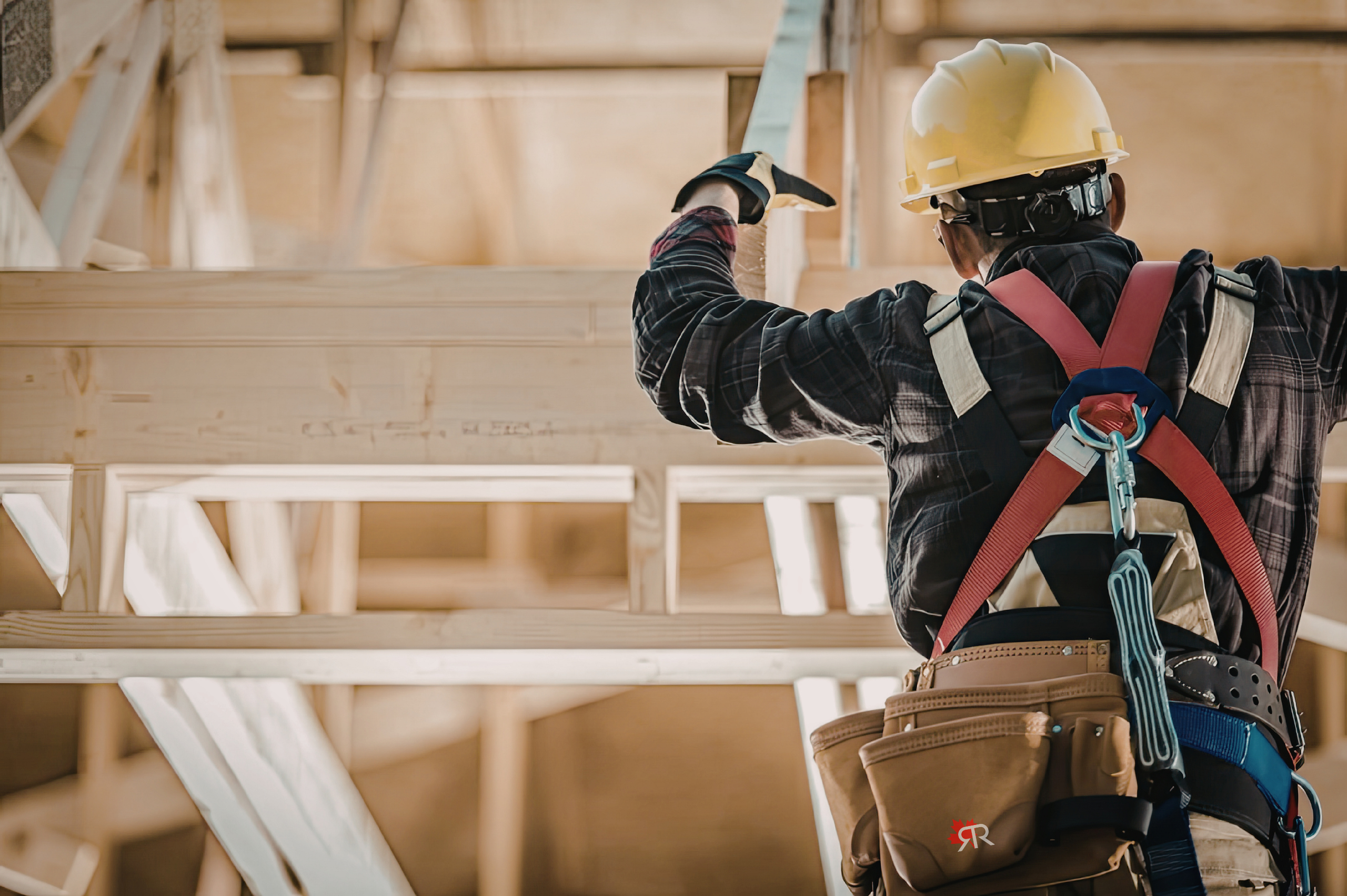
Hiring skilled trades workers is not the same as hiring office staff. Experience on paper does not always translate into performance on the job site. The right interview questions help employers identify candidates who are not only qualified, but also safety-aware, reliable, and ready to work from day one.
If you want to reduce turnover, avoid costly hiring mistakes, and build a dependable workforce, this guide covers the most effective skilled trades interview questions employers should ask — along with proven hiring tips used by successful construction, manufacturing, and mechanical service companies across Canada.
Why Interviewing Skilled Trades Workers Requires a Different Approach
Traditional interviews focus heavily on resumes and general experience. Trades hiring requires a more practical and performance-driven approach.
When interviewing tradespeople, employers must evaluate:
- Hands-on technical ability
- Safety awareness
- Reliability and work ethic
- Ability to follow site procedures
- Communication and teamwork
Hiring the wrong trades worker can lead to job delays, safety incidents, rework costs, and high turnover. Asking the right questions upfront helps prevent these issues before they impact your operations.
Core Skills Employers Should Assess Before Hiring
Before jumping into interview questions, it’s important to understand what truly matters when evaluating trades candidates.
Technical Competency
Look beyond certifications. Focus on real-world experience with tools, equipment, materials, and job-specific tasks.
Safety Awareness
Strong safety habits protect your team, reduce liability, and prevent downtime. Safety knowledge should be non-negotiable.
Reliability and Work Ethic
Attendance, punctuality, and accountability often matter just as much as technical skills.
Skilled Trades Interview Questions Employers Should Ask
Below are proven skilled trades interview questions that help identify job-ready talent across multiple industries.
General Skilled Trades Interview Questions (All Trades)
These questions apply to most construction, manufacturing, and industrial roles.
- Can you describe the last project you worked on from start to finish?
Reveals hands-on experience and ability to explain work processes. - What tools and equipment are you most comfortable using?
Helps verify technical familiarity and specialization. - What safety procedures do you follow daily on the job?
Assesses safety culture and awareness. - How do you handle unexpected job site problems or equipment issues?
Shows problem-solving ability and adaptability. - Tell me about a mistake you made at work and how you handled it.
Identifies accountability and learning mindset. - What type of work environment helps you perform best?
Helps evaluate cultural and team fit.
Construction Interview Questions
When hiring for construction roles, focus on site readiness and teamwork.
- Have you worked on active job sites with multiple trades present?
- How do you follow drawings or blueprints on site?
- What steps do you take to maintain site safety and cleanliness?
- Are you comfortable working outdoors and meeting tight deadlines?
These construction interview questions help identify candidates who can operate efficiently in fast-paced environments.
HVAC Technician Interview Questions
HVAC hiring requires both technical and customer-facing skills.
- How do you troubleshoot system performance issues?
- What experience do you have with preventive maintenance programs?
- Are you familiar with energy-efficient and modern HVAC systems?
- How do you communicate issues and solutions to customers or site managers?
Strong HVAC technician interview questions focus on diagnostics, safety, and communication.
Electrical and Industrial Trade Interview Examples
For electrical and industrial roles, consider asking:
- What type of systems or machinery have you worked with?
- How do you ensure lockout and safety compliance?
- What experience do you have with troubleshooting or preventive maintenance?
These questions help confirm job readiness in technical environments.
Red Flags Employers Should Watch During Trades Interviews
Even experienced candidates may not be the right fit. Watch for these warning signs:
- Vague or inconsistent work history
- Poor understanding of safety practices
- Inability to explain past projects clearly
- Lack of certifications or unclear licensing status
- Negative attitude toward supervisors or past employers
Catching these early prevents costly hiring mistakes.
Trades Hiring Checklist for Employers
Using a structured hiring process improves consistency and quality.
Pre-Interview Checklist
- Verify certifications and tickets
- Confirm trade licenses or apprenticeship status
- Check work eligibility
- Review availability and shift flexibility
Post-Interview Checklist
- Validate technical competency
- Conduct reference checks
- Review safety mindset
- Assess long-term fit
A clear trades hiring checklist ensures you don’t rush decisions during high-demand hiring periods.
How to Interview Tradespeople More Effectively
Knowing how to interview tradespeople properly improves hiring success.
Use Structured Interviews
Ask the same core questions for every candidate to fairly compare skills.
Focus on Real Examples
Encourage candidates to describe actual projects instead of giving generic answers.
Involve Supervisors
Foremen and site managers often spot skill gaps faster than HR teams.
Consider Skill Demonstrations
Where possible, practical assessments or probationary shifts can reveal true ability.
This approach helps identify candidates who are truly job-ready.
Why Many Employers Still Struggle to Hire the Right Trades Talent
Even with strong interview questions, many employers face challenges such as:
- High application volume with low-quality candidates
- Time constraints during urgent hiring
- Inconsistent screening processes
- High turnover rates
This is where professional recruitment support becomes valuable.
How Skilled Trades Recruitment Partners Help Employers Hire Faster
Specialized recruitment agencies streamline the hiring process by:
- Pre-screening candidates for skills and certifications
- Verifying safety training
- Matching workers to specific job requirements
- Reducing time-to-hire
- Improving long-term retention
For employers operating in competitive markets like Toronto, Vancouver, Mississauga, and Hamilton, this support helps maintain steady workforce supply.
Final Thoughts
Hiring job-ready trades talent requires more than scanning resumes. Employers who use structured skilled trades interview questions, evaluate safety awareness, and verify hands-on experience build stronger, more reliable teams.
By improving your interview process, you reduce turnover, improve productivity, and create safer job sites — all while securing long-term workforce stability.
Frequently Asked Questions
- What are the best skilled trades interview questions?
The best questions focus on hands-on experience, safety practices, problem-solving, and real project examples. - How do employers assess skills during trades interviews?
Employers should combine structured interviews, technical questioning, reference checks, and practical evaluations when possible. - What should employers prioritize when hiring tradespeople?
Reliability, safety awareness, technical ability, and cultural fit should all be top priorities. - How long should a skilled trades interview be?
Most effective interviews last between 30 and 45 minutes to allow for technical discussion and experience review. - Should employers test practical skills before hiring?
Yes. Skill assessments or trial periods help reduce hiring risk and improve job performance outcomes.